If you’ve ever tried selling a junk car, you already know it’s not the smooth on-call-and-done routine people imagine. There’s a bit of prep involved, and the folks who skip it usually end up running around their house looking for papers, keys, or plates while the tow truck is already honking outside.
New York doesn’t give you a lot of wiggle room, so it helps to sort everything out before you make that first call. This guide breaks down a simple checklist that keeps you organized from the start and saves you from unnecessary headaches later.
What to Remember Before Reaching Out to Junk Car Buyers?
Make Sure Your Paperwork Is Sorted
The first thing any buyer wants to see is proof that the car is genuinely yours to sell. Most of the time, that means having the title ready. If it’s lost somewhere in a drawer or box, take a few minutes now to track it down. If you realize it’s actually missing, check the DMV instructions for getting a replacement.
New York’s process is straightforward, but it does take a little time. Once your documents are in place, conversations move much faster, especially with anyone offering cash for junk cars since they can’t make a proper offer without the basics.
Clean Out Anything You Might Regret Leaving Behind
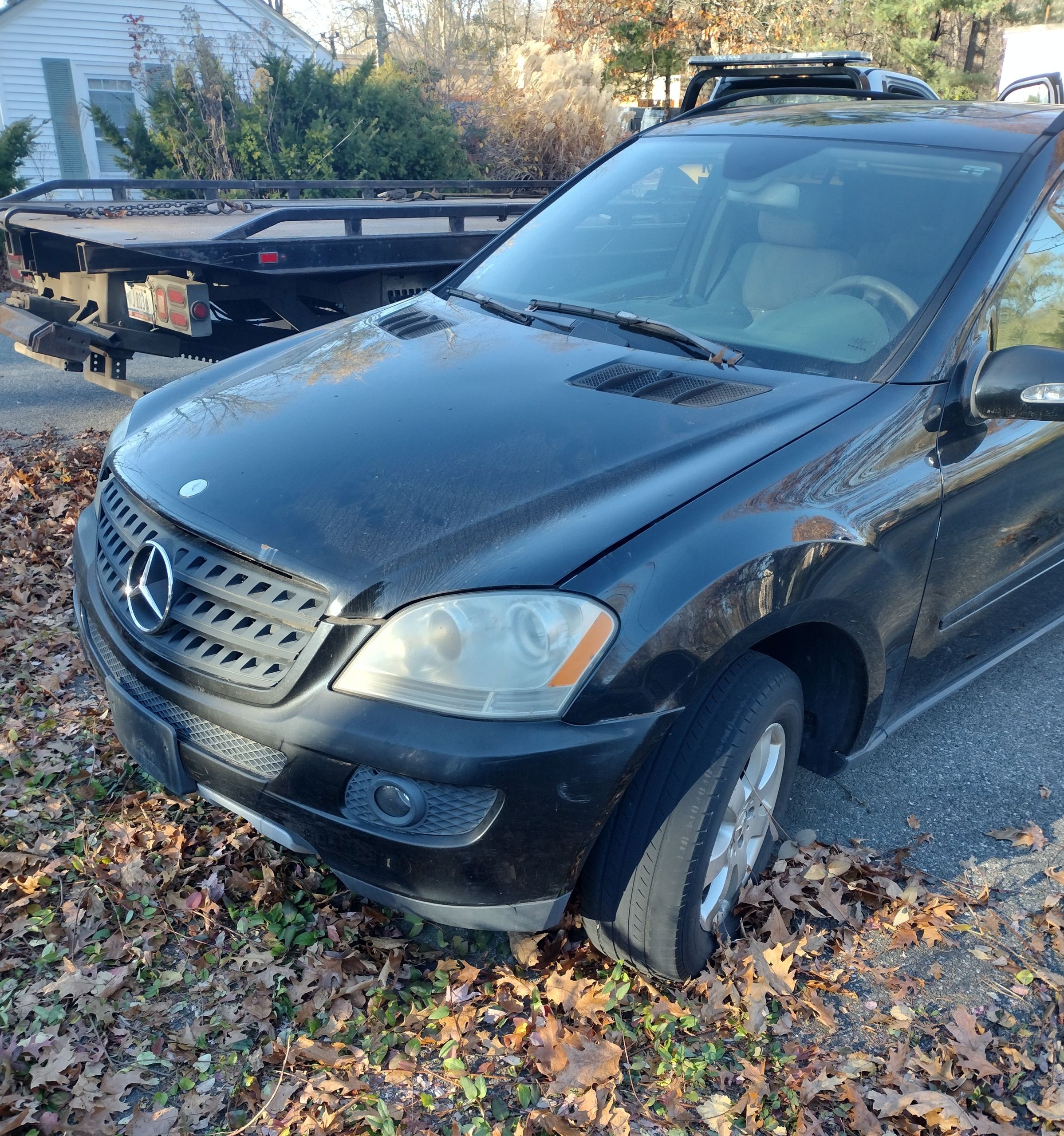
A junk car slowly becomes a storage locker without anyone meaning for it to happen. Old insurance cards, sunglasses, tools, spare shoes, ancient receipts, random wires, and even school notebooks. The list is endless.
Before the car leaves your driveway or parking spot, give it a slow, deliberate sweep. Check under the seats, the glove box, the trunk, the cupholders, and all those tiny compartments you usually forget exist. Once the car is gone, there’s no realistic way to recover anything left behind, so take this part seriously.
Snap a Few Honest Photos
Photos make life easier. Buyers always want to know what the car looks like, and describing dents or missing parts over the phone never feels accurate. Take a handful of straightforward pictures. One from the front, one from the back, a couple of side angles, and one of the interior.
Clean, natural light helps but isn’t essential. These photos help reduce the chance of a buyer changing their offer later. They also speed up the conversation, since you don’t need to explain every detail separately.
Make a Quick List of What You Already Know About the Car
You don’t need technical knowledge for this. Think of it like you’re giving a casual update to a friend. Does it start? Are all the tires still inflated? Did anything fall off? How long has it been parked? Is there any visible rust? Are there missing panels or dead electronics?
Buyers appreciate straightforward information because it helps them estimate what they can salvage. By sharing honest details upfront, you avoid the awkward moment where a buyer arrives and cuts the offer after discovering something you forgot to mention.
Remove Your License Plates Before Pickup
It’s a tiny detail, but it matters more than people think. New York requires you to return or keep your plates depending on your situation. People often forget to remove them until the tow truck driver is already hooking the car onto the lift. It takes a minute to unscrew them, so handle them early and keep them in a safe place. You will likely need them for the final cancellation steps.
Understand Exactly What the Pickup Includes
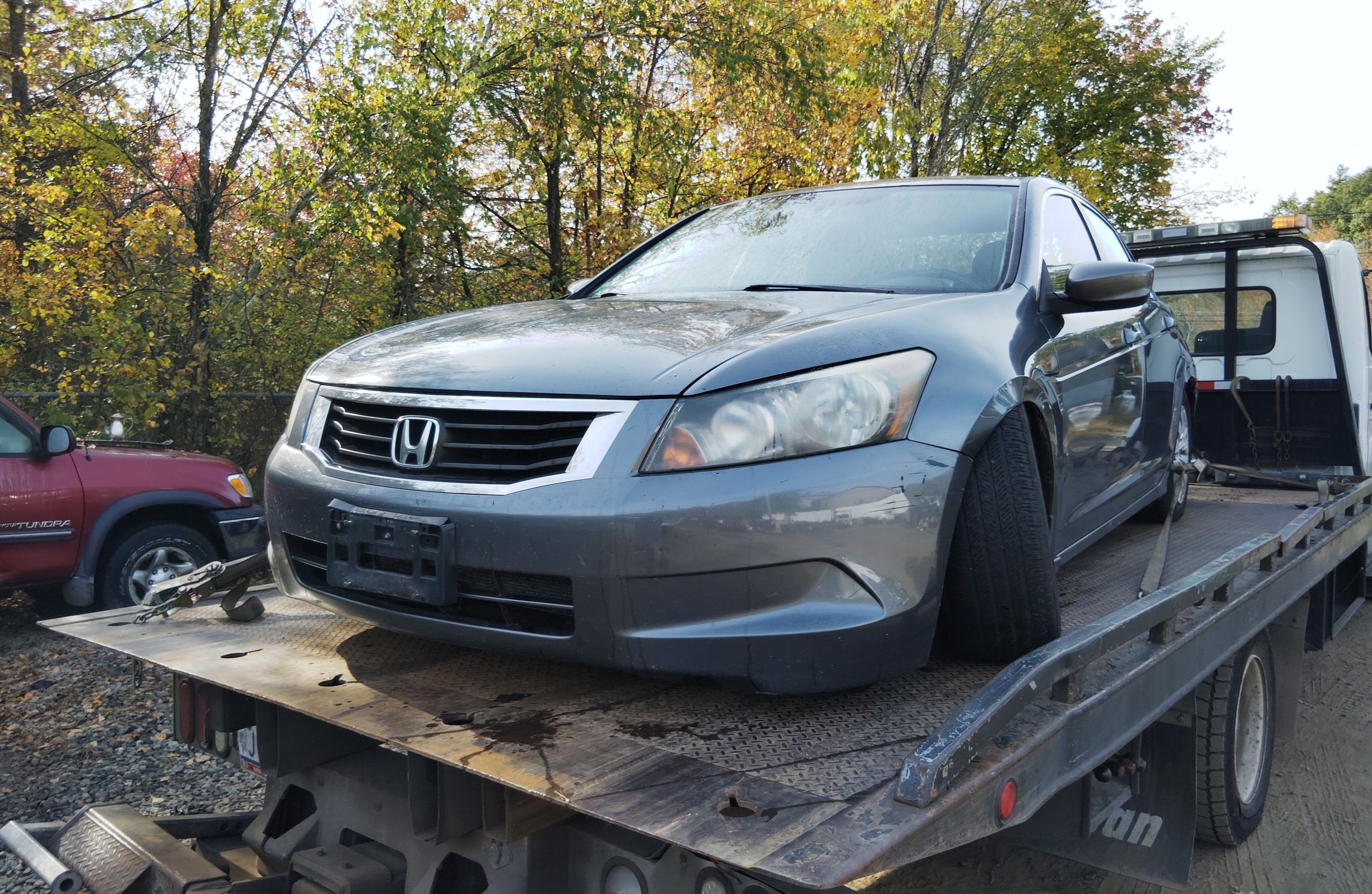
Some buyers offer free towing. Some don’t. Some arrive within an hour. Others need a scheduled slot. Rules vary from company to company, so ask the right questions upfront. When you’re dealing with junk car buyers in NYC, clarity makes everything smoother because the city has little patience for complicated arrangements.
Confirm whether towing is included, what documents you need on hand, whether there are any added fees, and how long the pickup might take. These small details prevent last-minute surprises.
Call at Least One More Buyer
A lot of people take the first offer because it feels quick and convenient. But there’s value in comparing at least two quotes. Different buyers evaluate scrap value differently. Some base it on weight, some on current metal prices, some on demand for specific parts, and some simply factor in how far they need to travel.
A short round of comparisons gives you a realistic sense of what your car is worth, especially when someone promises instant cash for junk cars but gives a surprisingly low number. Taking five minutes to make one extra call can make a noticeable difference.
Keep Your ID Ready
You’ll need a valid photo ID to complete the sale. Tow truck drivers usually verify your identity, collect signatures, and record basic details. If your ID is buried in a work bag or somewhere in your room, you’ll end up running back and forth while everyone waits. Set it aside in advance so the exchange happens smoothly.
Do a Final Sweep of the Interior
Even if you’ve already cleaned the car, do one last slow check. For some reason, this is when people find things they missed earlier. Cash, earrings, pens, toll tags, emergency kits, and small documents. Cars collect more stuff than we realize. Once the buyer drives away, the chance of recovering anything is practically zero because the vehicle moves to a yard where it’s dismantled or processed quickly. That last check is worth the extra minute.
Know What Happens Once the Car Leaves
Most people don’t think about this part, but it helps to know where your car goes. After pickup, buyers typically bring it to a yard where it’s inspected, drained of fluids, stripped for usable parts, and sorted for recycling. Some components get resold. Some get melted down. Some get disposed of according to environmental rules.
Your involvement ends the moment the paperwork and payment are done, but having a basic idea of the next steps makes the whole process feel more complete, especially if the car has been sitting with you for years.
Think of this checklist as a small effort that saves you from a rush later. When you’re ready to make the call, you’ll know exactly what to expect and how to get the most value out of the sale.