If you are trying to sell car for scrap, you are likely facing a practical situation rather than a casual decision. The vehicle may no longer run, repairs may exceed its value, or the car may have been sitting unused for months or years. In these situations, scrapping the car becomes the most logical option.
However, selling a car for scrap is not as simple as calling the nearest scrap yard and accepting the first offer. Prices vary widely, documentation requirements differ by state, and buyers assess vehicles using different valuation models. Many sellers lose money or experience delays because they do not understand how scrap pricing works or how buyers think.
This guide explains exactly how to sell car for scrap in the United States. It covers how scrap prices are calculated, what factors influence outcomes, which buyer types exist, how buyer comparison works, and how to avoid common mistakes. The goal is clarity, not persuasion.
Sell Car for Scrap: Direct Explanation of the Process
To sell car for scrap means transferring ownership of a vehicle to a buyer who intends to recycle it for raw materials, dismantle it for parts, or process it through a combination of both. In most cases, the vehicle is no longer roadworthy or economically viable to repair.
When you sell car for scrap, buyers typically follow one of these paths:
- Shredding the vehicle and selling metal by weight
- Removing and reselling usable parts before scrapping the shell
- Aggregating vehicles regionally to reduce processing costs
The amount you receive depends on the vehicle’s condition, weight, completeness, title status, towing requirements, and current scrap metal market conditions. There is no fixed national scrap price that applies to every vehicle.
Key Factors That Affect Outcomes When You Sell Car for Scrap
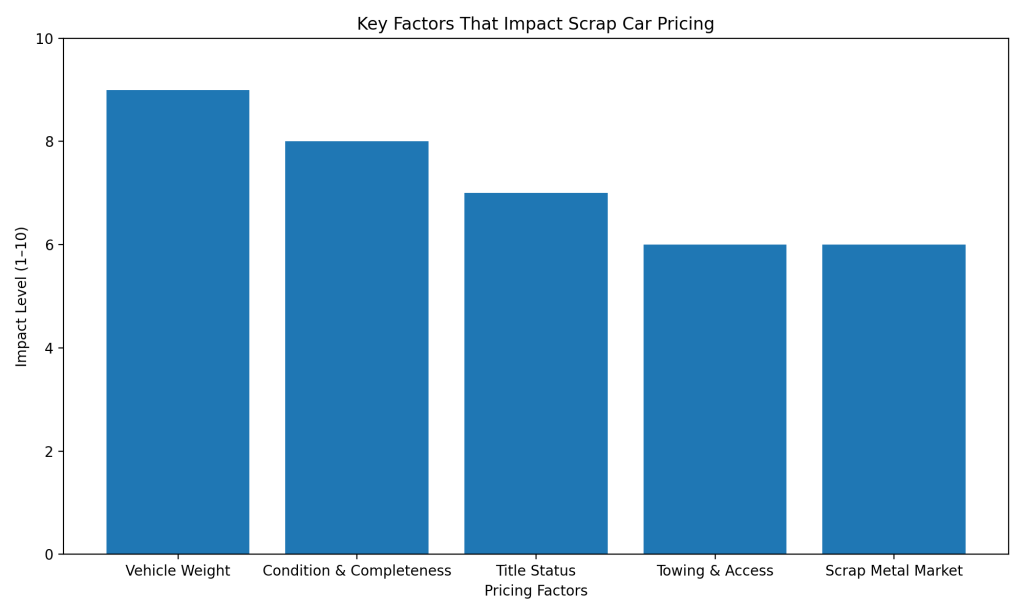
Understanding these factors helps explain why scrap offers differ and where value is gained or lost.
Vehicle Condition When You Sell Car for Scrap
Condition matters, but only in practical ways.
Buyers focus on:
- Whether the car runs or not
- Presence of engine and transmission
- Structural damage that affects towing
- Flood or fire exposure
- Overall completeness
Cosmetic damage rarely affects scrap value, but missing major components often does.
Vehicle Weight and Scrap Metal Content
Weight is a core driver of scrap value.
- Trucks and SUVs usually scrap for more than compact cars
- Older vehicles with higher steel content may outperform newer lightweight models
However, weight alone does not determine final pricing.
Title Status When You Sell Car for Scrap
Title status determines who can legally buy the vehicle.
Common scenarios:
- Clear title in seller’s name
- Salvage title
- Lost or missing title
- Title with an unresolved lien
Some buyers require a title, others accept alternatives depending on state laws. Sellers often review requirements on Homepage, FAQs, and Locations before proceeding.
Towing and Pickup Logistics
Towing is a real cost.
Factors that affect offers:
- Distance to buyer
- Whether the vehicle rolls and steers
- Access challenges
- Urgency of pickup
Offers usually include towing cost implicitly, even when advertised as free.
Scrap Metal Market Conditions
Scrap metal prices fluctuate based on global demand, export activity, and regional processing capacity. These fluctuations affect offers even if the vehicle remains unchanged.
Situational Scenarios That Change Scrap Outcomes
Selling a Non-Running but Complete Vehicle for Scrap
A complete non-running vehicle often performs better than a running car missing key components.
Selling a Heavily Damaged Car for Scrap
Accident or flood damage usually does not reduce scrap value significantly if the car is complete and towable.
Selling a Car for Scrap Without a Title
Some buyers can proceed using alternative documentation, others cannot. This situation often reduces buyer options and increases risk.
Selling a Car for Scrap With Difficult Access
Vehicles in garages, backyards, or tight spaces often receive lower offers due to towing complexity.
Selling a Car for Scrap Under Time Pressure
Urgency reduces leverage. Sellers who need immediate removal often prioritize certainty over price optimization.
Common Mistakes People Make When They Sell Car for Scrap
Assuming Scrap Prices Are Fixed
There is no universal scrap price. Offers vary by buyer, region, and timing.
Believing Free Towing Has No Cost Impact
Towing costs are real and are reflected in pricing.
Removing Parts Before Selling for Scrap
Removing catalytic converters, wheels, or batteries usually lowers offers and may disqualify the vehicle.
Comparing Headline Prices Instead of Net Payouts
Some offers include hidden deductions. Always confirm net payout.
Ignoring Documentation Requirements
Paperwork issues are a leading cause of delayed or failed scrap sales.
How Buyer Comparison Fits Into the Process to Sell Car for Scrap
Many sellers contact a single scrap yard and accept the first offer. While simple, this approach limits visibility into how different buyers value the same vehicle.
Scrap buyers do not operate the same way:
- Some focus strictly on metal weight
- Others prioritize parts resale
- Some operate locally, others regionally or nationally
Buyer comparison introduces transparency by showing how multiple buyers assess the same vehicle. This reduces guesswork and helps sellers understand market behavior rather than relying on a single opinion.
LightSpeedBid is an example of a comparison-based platform within the broader vehicle auction and bidding ecosystem. It demonstrates how multiple buyers may evaluate a scrap vehicle differently based on demand, logistics, and processing models. An informational view of this process is available at:
https://my.lightspeedbid.com/
This approach does not guarantee a higher price, but it improves clarity and confidence.
Table 1: Buyer Types When You Sell Car for Scrap
| Buyer Type | Primary Focus | What Drives Price | Trade-Off |
| Local Scrap Yards | Metal recycling | Vehicle weight | Lower payouts |
| Auto Recyclers | Parts + scrap | Component demand | Detailed inspections |
| Car Removal Companies | Logistics | Speed and routing | Price variability |
| Regional Aggregators | Volume | Scale efficiency | Less flexibility |
| Comparison Platforms | Transparency | Buyer competition | Timing variance |
Documentation Needed to Sell Car for Scrap
Documentation requirements vary by state and buyer.
Commonly required items:
- Vehicle title or approved alternative
- Government-issued photo ID
- Bill of sale or transfer form
- Lien release if applicable
Sellers often verify documentation details using /faqs or resolve edge cases through /contact-us.
Table 2: Documentation Scenarios and Risk Levels
| Scenario | Documents Needed | Risk Level |
| Clear title | Title and ID | Low |
| Salvage title | Title and ID | Low to Medium |
| Lost title | State replacement forms | High |
| Lien present | Title and lien release | Medium |
| No documentation | Varies by state | High |
Pricing Expectations When You Sell Car for Scrap
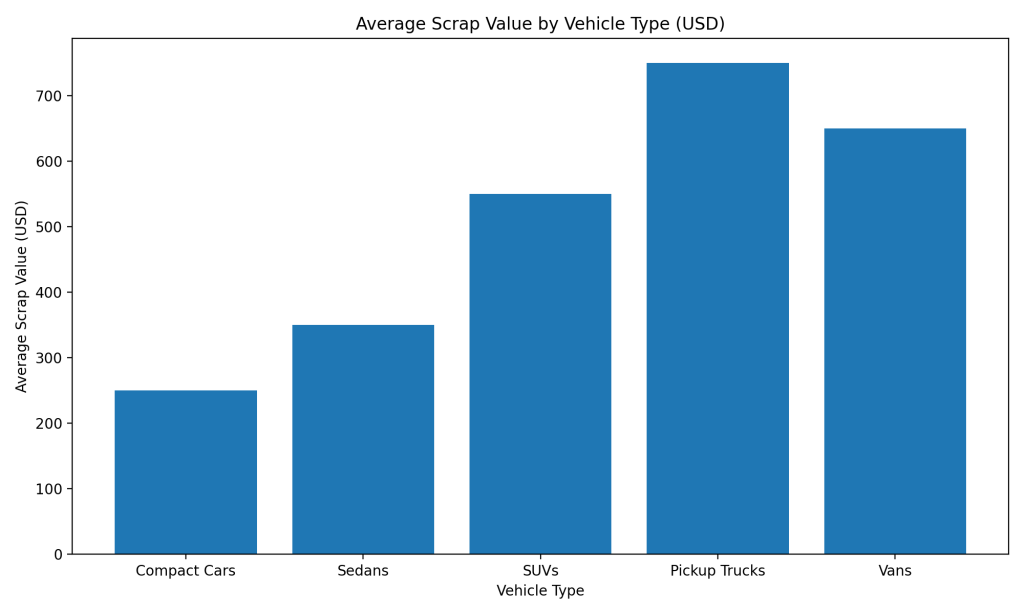
There is no single correct price, but patterns exist.
- Smaller cars usually scrap for less than trucks
- Complete vehicles outperform stripped ones
- High scrap metal prices improve offers
- Difficult towing or paperwork lowers payouts
Comparing buyers within a short window provides a realistic value range.
Frequently Asked Questions About How to Sell Car for Scrap
How much can I sell my car for scrap?
It depends on weight, condition, completeness, market prices, and buyer type.
Can I sell a damaged car for scrap?
Yes. Damage rarely disqualifies a vehicle from scrapping.
Do I need a title to sell car for scrap?
Requirements vary by state and buyer.
How do scrap metal prices affect my offer?
Higher scrap prices generally increase offers, but costs still apply.
Is buyer comparison useful when selling a car for scrap?
Yes. It reduces uncertainty and reveals market behavior.
Conclusion: Making the Right Decision When You Sell Car for Scrap
To sell car for scrap is to make a practical, outcome-driven decision. Results vary because buyers value vehicles differently based on processing models, logistics, and market conditions. Sellers who understand these variables, prepare documentation, and compare options avoid surprises and reduce risk.
An informed approach leads to smoother transactions, clearer expectations, and better outcomes.