What LightSpeedBid Buys
Vehicle categories • Nationwide coverage

What LightSpeedBid Buys

LightSpeedBid purchases a wide spectrum of vehicles across the United States, ranging from basic junk cars to complex mechanical failures and total loss vehicles. The platform connects sellers with licensed buyers who specialize in recycling, dismantling, or repurposing vehicles based on their condition and market value. Every category is processed with free towing and real time pricing grounded in scrap metal markets, catalytic converter metal values, and parts demand across regional salvage networks.

This guide outlines exactly what LightSpeedBid buys, the condition types included, and how each category is evaluated by buyers.

Condition categories

H2: Junk Cars & Damaged Cars

Junk Cars

Junk Cars

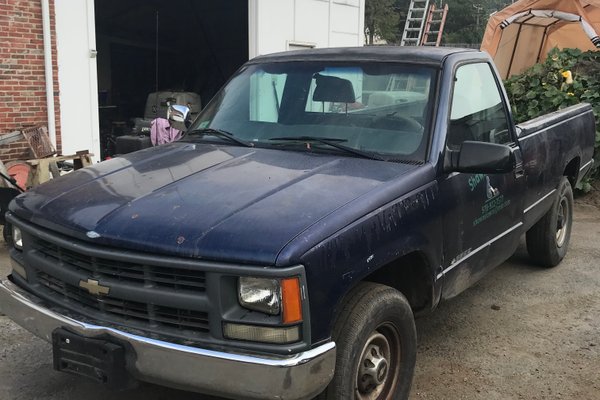
Junk cars are vehicles at or near the end of their usable life. They are often non running, structurally deteriorated, rusted, severely aged, or missing key components. Buyers do not rely on driving condition for these units. Instead, the value comes from weight, catalytic converters, and reusable components.

Typical Junk Car Characteristics

  • High mileage and worn mechanical systems
  • Severe cosmetic deterioration
  • Rust damage to body or frame
  • Long term storage
  • Missing keys or missing paperwork
  • Vehicles that cannot pass inspection

Junk cars are processed primarily for scrap metal and for any remaining usable parts. LightSpeedBid ensures the vehicle is routed to weight based or parts based buyers depending on which yields the strongest payout.

Damaged vehicle
Damaged but valuable inventory

H2: Damaged Cars

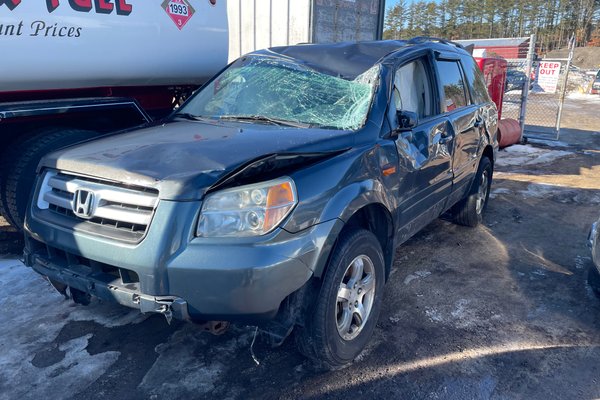
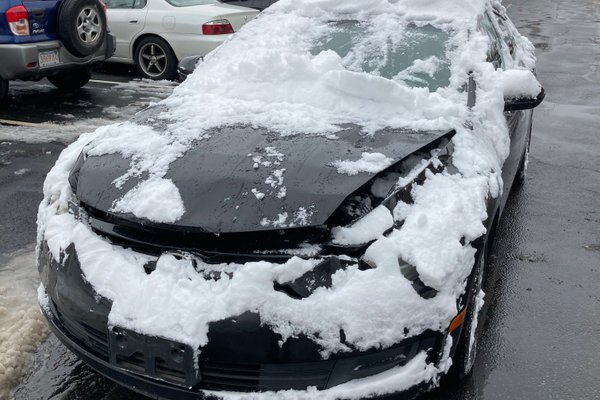
Damaged cars include vehicles with collision, cosmetic, or structural damage that makes them unsuitable for regular resale. These vehicles may still contain high value components.

Common Damage Types

  • Front or rear collision damage
  • Cosmetic body damage
  • Frame distortion
  • Deployed airbags
  • Sideswipe or quarter panel damage

Even when heavily damaged, many vehicles still contain intact drivetrains, electronics, wheels, or interior components. Buyers evaluate damage patterns to identify salvageable parts. LightSpeedBid pairs the seller with buyers who specialize in extracting maximum value from damaged inventory.

Drivetrain & mechanical status

H2: Non Running & Mechanical Failure Vehicles

Non Running Vehicles

Non Running Vehicles

Non running vehicles are common in the salvage market. LightSpeedBid buys vehicles that do not start, do not hold idle, or cannot be driven safely.

Typical Non Running Scenarios

  • Dead or missing batteries
  • Failed starters or alternators
  • Ignition problems
  • Seized engines
  • Transmission failures
  • Severe overheating
  • Electrical system failures

Towing is handled by operators trained to move vehicles regardless of steering lock, wheel rotation, or parking position. Non running status does not prevent buyers from assessing engine completeness or converter presence, which are major value factors.

Mechanical Failure Vehicles

Mechanical Failure Vehicles

Mechanical failure vehicles often have one or more major systems that are no longer functional. These vehicles can still be valuable based on parts, weight, and converter metals.

Common Mechanical Failures

  • Blown head gaskets
  • Cracked engine blocks
  • Locked or seized engines
  • Slipping or failed transmissions
  • Cooling system breakdowns
  • Fuel system failures
  • Timing chain or belt failures

Buyers analyze whether the vehicle contains intact assemblies that can be resold or recycled. Even severe mechanical failures carry value because scrap processors and dismantlers extract metal content and reusable components.

Age, mileage & insurance status

H2: Old, High Mileage & Totaled Vehicles

Old and High Mileage Vehicles

Old and High Mileage Vehicles

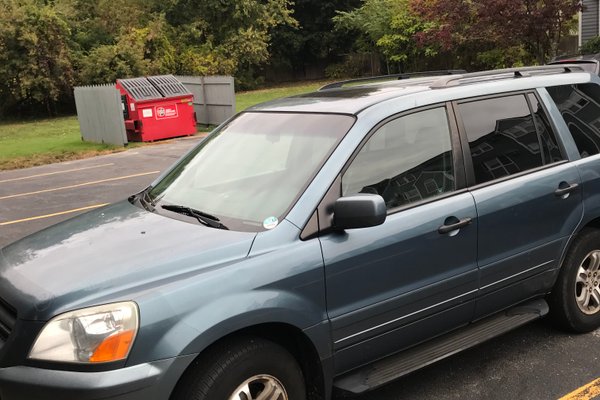
Older vehicles and high mileage units are frequently sold through LightSpeedBid when they reach the point where repair costs outweigh resale value.

Typical Characteristics

  • Vehicles over 15 to 20 years old
  • Mileage exceeding 150,000 to 250,000 miles
  • Aging drivetrains
  • Worn interiors
  • Multiple minor failures combined

These vehicles may not meet modern inspection standards but still contain recyclable metal and usable parts. Older SUVs, vans, and trucks often hold above average scrap value because of higher curb weight.

13. Totaled and Salvage Vehicles

Totaled and Salvage Vehicles

LightSpeedBid purchases totaled, salvage, or insurance declared loss vehicles. These units often come from collisions, floods, fires, or theft recovery incidents.

Types of Total Loss Vehicles Bought

  • Insurance total losses
  • Salvage title vehicles
  • Rebuilt title vehicles
  • Flood damaged vehicles
  • Fire damaged vehicles
  • Theft recovery vehicles missing certain components

Buyers evaluate these vehicles for part out potential, recyclable materials, converter metals, and any intact assemblies. Total loss vehicles often contain multiple high value parts even when not repairable. LightSpeedBid identifies which buyers specialize in the specific damage category to optimize the payout.

14. Factors That Increase What LightSpeedBid Will Pay

Buyers evaluate each vehicle based on recoverable value, ease of processing, and parts demand. Several characteristics consistently increase pricing across categories.

1

Intact Catalytic Converter
Original converters significantly increase buyer bids because they contain high value metals such as palladium, platinum, and rhodium. Vehicles with original converters intact are prioritized.

2

Complete Engine and Transmission
Even non running powertrains hold strong recycling and part out value. A complete engine block, undamaged transmission housing, and attached components increase payouts.

3

High Curb Weight
Vans, SUVs, full size sedans, and trucks bring higher values because they contain more steel and aluminum. Weight based pricing is a major driver for junk and scrap oriented vehicles.

4

Good Body Panels
Undamaged doors, bumpers, headlights, tailgates, and fenders raise value because parts buyers can resell them at a premium.

5

OEM Wheels
Factory aluminum wheels have higher scrap and resale value compared to steel wheels or aftermarket rims.

6

Popular Models With Strong Parts Demand
Vehicles such as Toyota, Honda, Ford trucks, Chevrolet trucks, and common mid size SUVs generate strong resale demand for parts. These models often produce higher offers.

7

Hybrid or EV Battery Systems
Hybrid batteries, even when worn, carry specialized recycling value. Buyers factor this into higher offers.

15. Factors That Reduce Value Across All Categories

Some characteristics limit the resale or recycling potential of the vehicle and reduce buyer bids.

1

Removed Catalytic Converter
If the converter is missing, value drops significantly. Buyers consider the converter one of the most important components.

2

Severe Structural Damage
Vehicles crushed at the roof, folded at the frame, or twisted beyond recognition have fewer usable parts and reduced scrap efficiency.

3

Burn Damage
Fire damage affects every system in the vehicle. Most components become unusable and the metal quality degrades.

4

Flood Damage in Salt Water
Salt water corrosion destroys electronics and internal engine components. Value drops sharply.

5

Missing Major Components
Vehicles missing engines, transmissions, or large electrical components present difficulty for dismantlers and significantly reduce value.

6

High Towing Difficulty
If a vehicle is buried in mud, blocked behind other vehicles, positioned on uneven terrain, or missing wheels, extraction requires more time and reduces pricing for certain buyers.

16. When Repairs or Preparation Can Help Before Selling

While junk and salvage vehicles are generally sold as is, a few simple steps can increase value or avoid unnecessary deductions.

1

Confirm Converter Is Present
Some sellers are unsure whether the converter is still installed. Confirming that it is indeed present prevents undervaluation.

2

Remove Heavy Personal Debris
Excess debris, scrap wood, or household items left inside the vehicle increase towing labor. Clearing the car reduces difficulty and supports stronger offers.

3

Ensure Access for Tow Operators
Clearing space around the vehicle improves loading efficiency. Easy access prevents buyers from reducing pricing to account for additional labor.

4

Gather Any Available Documentation
Even old registrations or insurance cards help verify ownership and may increase the number of buyers able to bid on the vehicle.

17. When Selling As Is Is the Better Option

Most vehicles that fall into LightSpeedBid categories are not worth repairing prior to sale. Selling as is is recommended when:

  • Mechanical failure is severe
  • Rust has compromised structural points
  • Frame damage exceeds repair value
  • Electrical issues require module replacement
  • The vehicle has extremely high mileage
  • Repair costs exceed market value

In these cases, repairing the vehicle does not increase its value enough to justify the cost.

H2: 18. Environmental and Recycling Impact of the Vehicles LightSpeedBid Buys

Regulated recycling stream

Every vehicle sold through LightSpeedBid enters the regulated recycling stream. This reduces environmental waste and maximizes material recovery.

1. Metal Recycling

Steel and aluminum from junk vehicles reenter manufacturing, reducing mining demands.

2. Component Reuse

Usable parts are removed and resold, extending the life of existing vehicles and reducing the need for new component production.

3. Fluid Recovery and Disposal

Oil, fuel, brake fluid, coolant, and transmission fluid are extracted and disposed of according to environmental regulations.

4. Battery Recycling

Lead acid and hybrid batteries are processed through certified recycling facilities to prevent hazardous contamination.

H2: 19. Title and Paperwork Considerations for All Categories

Different buyers operate under different state regulations. Paperwork influences which buyers can legally purchase the vehicle.

1

Vehicles With Titles
Vehicles with clear titles qualify for the largest buyer pool which can increase pricing. Buyers may resell or dismantle these units depending on value.

2

Vehicles Without Titles
LightSpeedBid connects sellers with buyers who accept no title vehicles as allowed by state law. These buyers focus on scrap or parts value.

3

Lien or Loan Considerations
If a lien exists, the lienholder must release the title before higher value buyers can bid. For junk only transactions, some buyers will still proceed depending on state rules.

4

Registrations and VIN Documentation
Old registration cards, insurance cards, or VIN based paperwork help simplify the sale even when a title is missing.

Market differences

H2: 20. Regional Variations in What Buyers Pay For

Regions across the United States value vehicles differently depending on processing capacity, transportation distance, and parts demand.

Northeast

Strong pricing for parts based vehicles, especially for sedans and compact models commonly found in urban areas.

Midwest

Steady scrap pricing and strong demand for trucks and SUVs. Large yards support efficient processing.

South

High demand for pickup trucks and mid size sedans. Export markets influence pricing along coastal states.

West

Higher demand for hybrid and EV components. Scrap metal prices fluctuate more because of shipping cost and local demand cycles.

H2: 21. Step by Step System for Selling Any Vehicle Through LightSpeedBid

From quote to payment

Step 1: Enter Vehicle Information

Provide basic details including condition category, converter status, and whether the vehicle runs.

Step 2: LightSpeedBid Analyzes the Vehicle Category

The system identifies the correct buyer category such as junk, salvage, mechanical failure, or high mileage.

Step 3: Receive the Highest Available Offer

Offers are based on scrap metal markets, parts value, converter metals, and regional demand.

Step 4: Schedule Free Pickup

Licensed tow operators are dispatched with equipment suited for non running or damaged vehicles.

Step 5: On Site Verification

VIN, ownership documentation, and vehicle completeness are verified during pickup.

Step 6: Payment Is Issued Immediately

Buyers issue payment once verification is complete.

This sequence keeps the seller experience streamlined from start to finish. Every category — junk, damaged, non running, mechanical failure, high mileage, or salvage — follows the same structured steps.

On each vehicle, LightSpeedBid matches the condition and paperwork to the most appropriate buyer type, ensuring pricing reflects scrap metals, converter metals, reusable parts, and regional demand.

H2: 22. Mistakes Sellers Often Make • 23. Buyer Red Flags to Avoid

Protecting your offer & your transaction
22. Mistakes Sellers Often Make

Avoiding these mistakes helps maintain the highest possible offer.

  • Misreporting converter status
  • Not mentioning major missing components
  • Blocking access to the vehicle
  • Waiting too long during declining scrap markets
  • Assuming a non running vehicle has no value
  • Providing incomplete condition descriptions

Clear and accurate information helps buyers offer the strongest price.
23. Buyer Red Flags to Avoid

Sellers should be cautious of buyers who:

  • Change the offer without valid reason
  • Offer unusually low prices for heavy or complete vehicles

  • Do not verify the VIN at pickup
  • Ask for fees before towing
  • Cannot identify their business or license
  • Provide no written confirmation

Reliable buyers operate with transparency and follow state regulations.

Common questions

H2: 24. Frequently Asked Questions

Do you buy cars that do not run

Yes. Non running vehicles are fully accepted.

Do you buy cars without titles

Yes. Buyers are matched by state rules to vehicles with or without titles.

Do you buy vehicles with major mechanical failures

Yes. Blown engines, failed transmissions, and severe mechanical breakdowns are common categories.

Do older vehicles still have value

Yes. Weight and reusable parts influence pricing even when the car is decades old.

Do you buy flood or fire damaged vehicles

Yes. These vehicles are processed for parts or metal recovery depending on condition.

H2: 25. Why LightSpeedBid Is the Strongest Option for All Vehicle Categories

LightSpeedBid delivers consistent value by:

  • Using real time scrap and converter pricing
  • Matching vehicles to the most profitable buyer category
  • Offering nationwide free towing
  • Supporting no title sales in eligible states
  • Providing fast verification and instant payment
  • Eliminating negotiation with inconsistent local buyers

The system is built to identify what each vehicle is worth and route it to the buyer who pays the most for its condition.

H2: 26. Sell Your Car Today

If you want a fast, reliable way to sell any junk, damaged, non running, mechanical failure, or salvage vehicle, LightSpeedBid makes the process simple. Enter your vehicle details now and see exactly what LightSpeedBid will buy and how much you can receive.

Sell Your Car Today

Enter your vehicle details now and see exactly what LightSpeedBid will buy and how much you can receive.