Cars rarely fail overnight. Most of them fade out slowly. One repair turns into another. A warning light stays on longer than it should, the drive feels rougher, and the noise gets louder. At some point, the car is still technically functional, but owning it starts feeling like a chore rather than a convenience.
That is usually the moment people start asking a quiet question they avoid out loud, “Is this car still worth keeping, or is it already a junk car and I am just emotionally attached?” Let’s break it down honestly, without pretending every car deserves one more fix.
The Line Between an Old Car and a Junk Car
Age alone does not make a car junk. Plenty of older vehicles run fine with basic upkeep. The problem starts when the cost of keeping the car on the road rises faster than the value of the car itself. A car becomes a junk car when repairs stop improving its reliability. When you fix one issue and another pops up weeks later.
When mechanics start warning you about multiple systems instead of one isolated problem. Engine issues, transmission trouble, electrical failures, rust damage, and suspension wear tend to stack together, not appear alone. At that point, you are no longer maintaining a car. You are chasing it.
Why Selling Beats Scrapping It Yourself
Some people try to part out their car or scrap it independently. On paper, it sounds smart. In reality, it takes time, space, tools, and patience that most people do not have.
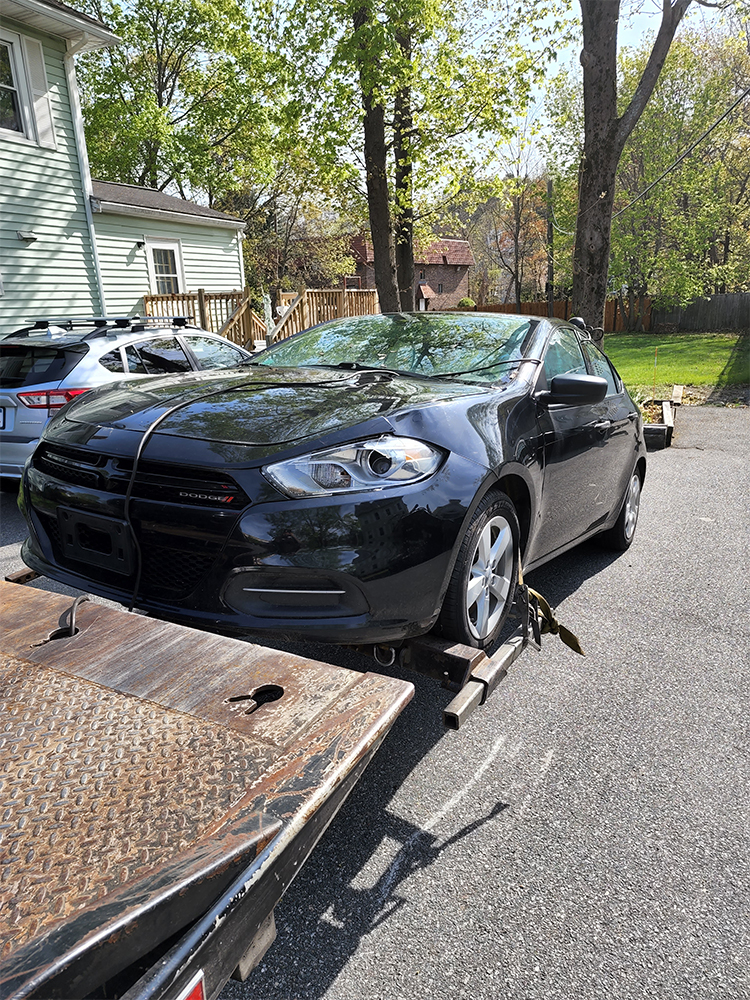
Professional Junk car buyers in NYC handle towing, documentation, and valuation in one step. That convenience is part of the value you receive. It turns a stressful problem into a clean exit. Trying to squeeze every last dollar often ends up costing more in effort than it returns.
Why Holding on Often Proves to Be Disadvantageous
Safety Stops Being a Given
This part is uncomfortable but important. A vehicle that often needs repairs can be very problematic. It may also be risky because of worn-out brakes, poor steering control, electrical problems, and defective airbags. These are some of the conditions that can make driving and passengers unsafe. Older cars without modern safety features already lag behind current standards.
Add mechanical problems to that, and the risk multiplies. Many people keep driving junk cars because they are used to them. Familiarity creates false confidence. But reliability is not about habit. It is about whether the car can respond when something goes wrong on the road.
Repair Costs Add Up Faster Than You Think
Here is the part most people underestimate. Small repairs feel manageable. A few hundred here; a thousand there. But those costs compound. After a car has been driven for a lengthy period, every repair done will uncover the next weak point in the car’s condition.
Brake repairs, for instance, will lead to the replacement of the suspension. Replacing the alternator uncovers battery problems. Solving an overheating issue leads to head gasket concerns. The cycle keeps going.
This is where people lose money quietly. They focus on the last repair bill instead of the total spent over six months or a year. That running total often exceeds what the car could ever sell for in working condition. Keeping a junk car does not feel expensive all at once. It becomes expensive through repetition.
The Hidden Costs No One Mentions
Repair bills are only part of the story. Old and failing cars carry hidden costs that are easy to ignore until they become unavoidable. Going through a car’s life cycle, fuel consumption will gradually increase as the mileage goes up.
You will have to fill the tank more often for that same daily trip. Covering the insurance cost may seem like throwing money away when the car is hardly running, but still under the coverage. Registration fees and inspections do not care if your car struggles to start every morning. Parking tickets and towing risks increase when breakdowns happen at the worst times.
Then there is time. Missed work, cancelled plans, waiting on roadside assistance, and stress before every long drive. These costs do not show up on paper, but they matter.
Emotional Attachment Is Expensive
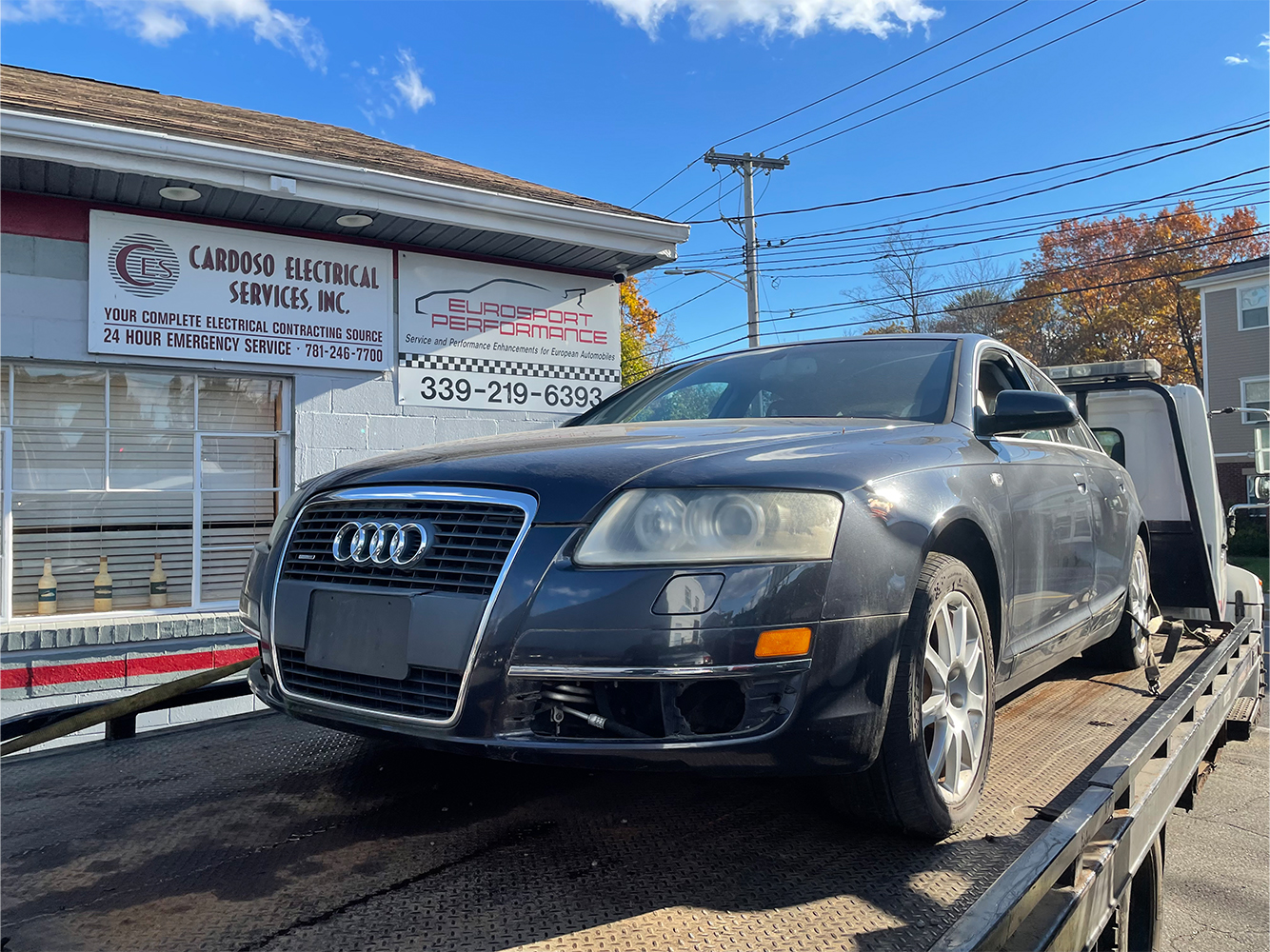
People keep old cars for emotional reasons more often than they admit. First car, family car, car that survived a big life phase, and sentiment make logical decisions harder. There is nothing wrong with caring about an object that carried you through years of life.
But nostalgia should not drain your bank account or compromise your safety. At some point, appreciation needs to turn into closure. Letting go of a car does not erase its history. It just stops it from costing you more.
Why Old Cars Still Have Value
Here is the part many people get wrong. A junk car is not worthless.
Parts of the car that have been rendered unable to be driven still have some value, namely metals that can be recycled, materials and parts that can be reused. Engines, gearboxes, catalytic converters, and even body parts are some that can still be recycled or reused. This is one of the reasons why old cars are actively bought rather than left abandoned.
For owners in urban areas, services offering cash for cars in Brooklyn exist because demand is real. Vehicles that no longer make sense to drive still make sense to sell. The key is recognizing that value does not always come from driving the car yourself.
Final Thoughts
A car does not announce when it becomes a junk car. There is no ceremony or final drive; just a gradual shift where ownership stops making sense. Keeping a failing vehicle often costs more than people realize, financially, emotionally, and mentally. Letting go is not a loss. It is a practical move that frees up money, time, and peace of mind.
If you are at the point where you are questioning the value of keeping your car, that question itself is your answer. When you are ready to take the next step, reach out and contact us to explore your options without pressure.
Sometimes the smartest car decision is knowing when to stop driving forward and choose a cleaner exit.