How Much Do Junkyards Pay for Cars? Real Prices Revealed
Junkyards typically pay $100-$800 for cars, primarily based on scrap metal weight. However, competitive bidding platforms like LightSpeedBid can deliver 2-4x higher payouts by connecting you with parts buyers, export dealers, and rebuild shops that value more than just scrap.
According to current market data, scrap steel prices are at $385 per ton as of March 2026, directly impacting what traditional junkyards can offer.
When your car reaches the end of its life, understanding what junkyards pay becomes crucial for getting fair value. While many car owners assume junkyards offer the best prices for unwanted vehicles, the reality is more complex. This comprehensive guide reveals actual junkyard pricing, how they calculate offers, and better alternatives for maximizing your payout.
What Junkyards Actually Pay for Cars
Traditional junkyards base their offers primarily on scrap metal weight, with limited consideration for working parts or market demand. Most junkyard offers fall between $100-$800, depending on your vehicle’s size and current steel prices.
- Compact Cars (Honda Civic, Toyota Corolla): $150-$350
- Mid-Size Sedans (Honda Accord, Toyota Camry): $250-$500
- Full-Size Trucks (F-150, Silverado): $400-$800
- SUVs (Tahoe, Explorer): $350-$700
However, competitive bidding platforms can deliver significantly higher payouts because they connect you with parts recyclers, export buyers, and rebuild shops that value more than just scrap metal weight.
Real Price Comparison: 2012 Toyota Camry
Actual offers received for same vehicle in Phoenix, AZ
| Buyer Type | Initial Quote | Final Offer | Towing Cost | Net Payment |
|---|---|---|---|---|
| LightSpeedBid | $1,850 | $1,850 | Free | $1,850 |
| Local Junkyard #1 | $450 | $350 | -$50 | $300 |
| Auto Parts Yard | $600 | $525 | Free | $525 |
| Scrap Metal Dealer | $275 | $275 | -$75 | $200 |
LightSpeedBid delivered 516% more than the best junkyard offer.
How Junkyard Pricing Works
Understanding junkyard pricing methodology helps explain why their offers are often lower than market value. Most traditional junkyards operate on a simple scrap-focused model that undervalues vehicles with working components.
Junkyards calculate offers using a basic formula: vehicle weight multiplied by current scrap steel prices, minus processing costs and profit margins. They rarely factor in the value of reusable parts, catalytic converters, or market demand for specific makes and models.
Here is how different types of buyers approach vehicle valuation:
Buyer Valuation Methods
| Buyer Type | Primary Factor | Parts Value | Typical Payout |
|---|---|---|---|
| Traditional Junkyard | Scrap Weight | Minimal | Low |
| Auto Dismantler | Parts Demand | High | Medium |
| Export Dealer | International Demand | Very High | High |
| Rebuild Shop | Restoration Potential | Maximum | Highest |
| LightSpeedBid Network | Competitive Bidding | All Factors | Maximum |
The Scrap Metal Formula
Most junkyards use this basic calculation for pricing vehicles:
- Base Price = Vehicle Weight × Current Scrap Steel Price
- Subtract Processing Costs (typically $50-$100)
- Subtract Profit Margin (usually 30-50%)
- Subtract Towing Costs (if applicable)
This formula explains why a 3,000-pound car might only receive $300-$400 from a traditional junkyard, even when current scrap steel is trading at $385 per ton.
Advanced buyers consider additional factors that significantly increase vehicle value:
- Catalytic converter value ($50-$1,200+ depending on vehicle)
- Engine and transmission condition
- High-demand parts like airbags, ECUs, and infotainment systems
- Market demand for specific makes and models
Regional Price Variations
Junkyard prices vary significantly by geographic location due to local scrap metal markets, transportation costs, and competition levels. Urban areas with multiple buyers typically offer 15-25% higher prices than rural regions.
Processing and Hidden Costs
Many junkyards deduct various fees from their quoted prices, including environmental disposal fees, title transfer costs, and administrative charges. These deductions can reduce your final payout by $75-$150.
Seasonal Price Fluctuations
Scrap metal prices fluctuate throughout the year, directly impacting junkyard offers. Winter months typically see lower prices due to reduced construction demand, while spring and summer bring higher rates.
Volume-Based Pricing
Large junkyards that process high volumes may offer slightly better prices due to economies of scale, but they still operate within the scrap-focused model that limits maximum payouts.
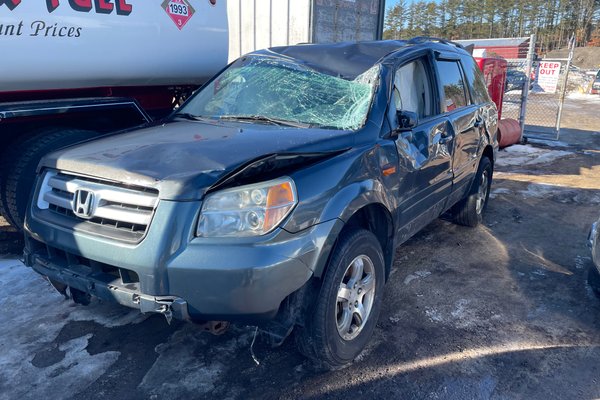
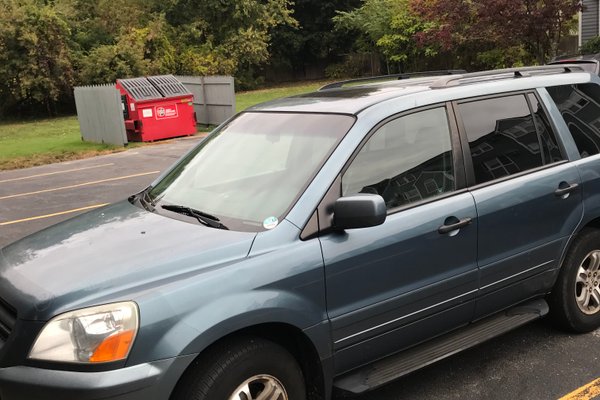
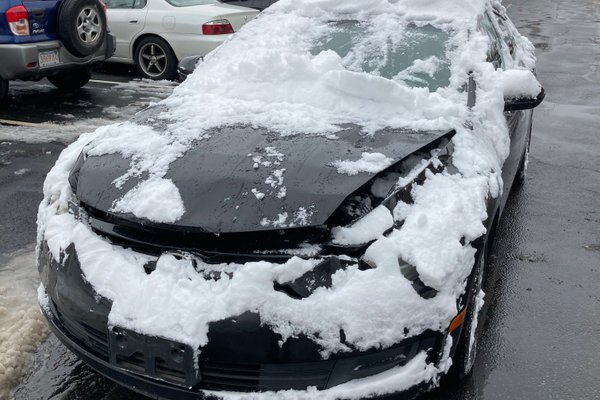
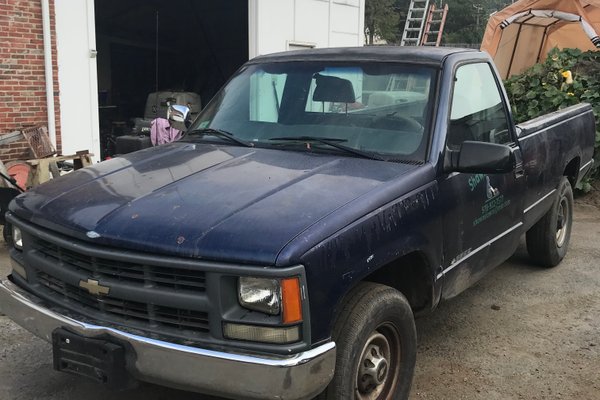
Real Junkyard Offers by Vehicle Type
Actual junkyard payouts vary dramatically based on vehicle characteristics, with larger vehicles typically commanding higher scrap prices due to increased metal content. However, even within categories, factors like make, model, and condition create significant price variations.
How LightSpeedBid Gets You More Money
Traditional junkyards only compete with other junkyards. Our platform connects you with parts dealers, export buyers, and rebuild shops that value your car beyond scrap metal.
While junkyards focus on scrap value, our network includes parts recyclers who pay premium prices for catalytic converters, airbags, and ECUs. Export dealers seek popular models for international markets. Rebuild shops target vehicles with restoration potential. This competition drives prices up to true market value.
Factors That Determine Junkyard Prices
Understanding the key factors that influence junkyard pricing helps set realistic expectations and reveals why some vehicles receive significantly higher offers than others.
Vehicle weight remains the primary factor in traditional junkyard pricing, as most of their revenue comes from selling scrap metal to steel mills. A full-size pickup truck weighing 5,500 pounds will always receive a higher base offer than a compact car weighing 2,800 pounds.
Current scrap metal prices directly impact all offers. When steel prices rise, junkyard offers increase proportionally. When commodity markets decline, payouts drop accordingly. Smart sellers monitor current scrap prices before accepting offers.
Geographic location significantly affects pricing due to transportation costs and local market conditions. Junkyards near major steel mills typically offer higher prices because they save on shipping costs. Remote locations often result in lower offers due to increased transportation expenses.
Vehicle accessibility also impacts pricing. Cars parked in difficult-to-reach locations or requiring special equipment for removal may result in reduced offers to cover additional labor and equipment costs.
Title status affects value, with clear titles commanding higher prices than vehicles with liens, salvage titles, or missing paperwork. Some junkyards refuse to purchase vehicles without proper documentation.
Seasonal demand fluctuations influence pricing, particularly for specific vehicle types. Winter increases demand for AWD vehicles and snow-capable parts, while summer drives demand for air conditioning components and convertible parts.
Junkyard Price Ranges by Vehicle Type (2026)
| Vehicle Type | Weight Range | Junkyard Range | LightSpeedBid Avg. |
|---|---|---|---|
| Compact Car | 2,500-3,200 lbs | $150-$350 | $895 |
| Mid-Size Sedan | 3,200-3,800 lbs | $250-$500 | $1,340 |
| Full-Size SUV | 4,500-5,800 lbs | $350-$700 | $2,150 |
| Pickup Truck | 4,800-6,200 lbs | $400-$800 | $2,485 |
| Luxury Vehicle | 3,800-5,500 lbs | $300-$650 | $3,275 |
Make and Model Impact
Certain makes and models command premium prices even from traditional junkyards due to high parts demand. Popular vehicles like Honda Accords and Toyota Camrys typically receive offers 20-30% above base scrap prices.
- High-Value Makes: Honda, Toyota, Ford, Chevrolet
- Medium-Value Makes: Nissan, Hyundai, Kia, Subaru
- Lower-Value Makes: Chrysler, Dodge, Saturn, older European models
Age and Mileage Considerations
While age affects overall value, junkyards primarily focus on parts availability and demand. A 10-year-old vehicle may receive better offers than a 5-year-old model if parts demand is higher for the older vehicle.
Condition Assessment
Most junkyards perform minimal condition assessments, focusing on obvious issues like missing major components, fire damage, or flood damage. Vehicles with complete drivetrains typically receive standard offers regardless of mechanical condition.
Catalytic Converter Value
Some progressive junkyards recognize catalytic converter value and adjust offers accordingly. Hybrid vehicles like the Toyota Prius command premium prices primarily due to valuable catalytic converters worth $800-$1,200+.
Market Demand Fluctuations
Local market conditions affect junkyard pricing. Areas with high demand for specific parts or metals may offer above-average prices, while oversaturated markets result in lower offers.
Average Price Increase by Alternative Buyers
How much more you can get vs. traditional junkyards
Why LightSpeedBid Pays More Than Junkyards
The fundamental difference between traditional junkyards and competitive bidding platforms lies in buyer diversity and motivation. While junkyards view vehicles primarily as scrap metal sources, LightSpeedBid connects you with specialized buyers who recognize value beyond basic materials.
Traditional junkyards operate with limited expertise in parts valuation. They lack the specialized knowledge to properly assess catalytic converters, ECUs, airbags, and other high-value components. This knowledge gap results in significant undervaluation of many vehicles.
LightSpeedBid’s network includes parts specialists who understand current market prices for specific components. A catalytic converter that a junkyard might value at $50 could be worth $800+ to a parts recycler who knows current precious metal prices and demand patterns.
Export dealers in our network specifically seek popular American models for international markets where certain vehicles command premium prices. A Ford F-150 or Chevrolet Suburban might be worth 2-3 times more to an export buyer than to a local junkyard.
Rebuild shops target vehicles with restoration potential that junkyards would immediately process for scrap. A non-running luxury vehicle might receive $400 from a junkyard but $2,000+ from a rebuild shop that sees profit potential in restoration.
Competition drives higher prices. When multiple buyers bid against each other for your vehicle, market forces naturally push offers upward. This competitive environment is impossible to replicate when dealing with a single junkyard.
See What Your Car is Really Worth
Get competing offers from parts dealers, export buyers, and rebuild shops.
Get Maximum OfferFrequently Asked Questions
How much do junkyards typically pay for cars?
What factors determine junkyard prices?
Do junkyards pay more for running cars?
How can I get more than junkyard prices?
Are junkyard prices negotiable?
Getting Maximum Value for Your Car
Maximizing your car’s value requires understanding that different buyers value different aspects of your vehicle. While junkyards focus solely on scrap weight, the automotive recycling industry includes numerous specialized buyers willing to pay premium prices for the right vehicles.
Parts recyclers specifically seek vehicles with high-demand components like catalytic converters, airbags, ECUs, and infotainment systems. These buyers understand current market prices for individual components and can often justify offers 2-3 times higher than scrap-only valuations.
Export dealers target popular American models that command premium prices in international markets. Vehicles like Ford F-150s, Chevrolet Suburbans, and Honda Accords often receive significantly higher offers from export buyers than from local junkyards.
Rebuild shops look for vehicles with restoration potential that most junkyards would immediately process for scrap. Even non-running luxury vehicles or classic cars can command substantial offers from buyers who see profit potential in restoration projects.
Timing Your Sale
Market timing affects vehicle values, with certain periods offering better pricing opportunities:
- Spring and Summer: Higher construction demand increases scrap metal prices
- Fall: Increased demand for winter-capable vehicles and parts
- Economic Upturns: Rising commodity prices benefit all automotive sales
- Model Year Changes: Increased parts demand for popular outgoing models
Get a Better Offer Today
Don’t settle for traditional junkyard pricing when your vehicle may be worth significantly more. LightSpeedBid’s competitive bidding platform connects you with specialized buyers who value vehicles beyond basic scrap weight.
Our network includes parts recyclers, export dealers, rebuild shops, and scrap processors who compete against each other for your specific vehicle. This competition naturally drives offers upward to true market value, typically 2-4 times higher than single junkyard quotes.
The process takes under two minutes: enter your vehicle information, receive multiple competing offers, choose the highest bid, and schedule free pickup. Payment is guaranteed on pickup with no hidden fees or surprise deductions.
Call LightSpeedBid at (866) 885-3343 or visit my.lightspeedbid.com to discover what your car is really worth. Join thousands of sellers who have maximized their vehicle value through competitive bidding.
Stop leaving money on the table. Get your maximum offer today.
Don’t Accept Junkyard Lowballs
See what specialized buyers will really pay for your vehicle
Get Real Market Value
Yes We’ll Buy It!
Fast Cash. Zero Hassle.
Maximum Payout.
Few Clicks Gets It Done!
No signup required • Powered by real-time automotive data