Scrap Cars Explained: Values, Process, and How to Get Paid
Scrap cars are vehicles sold primarily for their metal content and recyclable materials rather than their function as transportation. With current steel prices at $385 per ton, a typical car contains $300-$600 worth of scrap metal, plus valuable components like catalytic converters worth $50-$250.
The scrap car industry processes over 12 million vehicles annually in the US, recycling 95% of materials and providing raw materials for new automotive production. Professional buyers handle the entire process from pickup to payment.
Understanding the scrap car industry helps you make informed decisions about vehicle disposal while maximizing your financial return. The automotive recycling business operates on sophisticated processes that extract value from every component, creating a profitable system that benefits both sellers and the environment.
Scrap cars represent one of the most recycled consumer products in America. The industry processes approximately 12-15 million vehicles annually, recovering over 14 million tons of steel and generating billions in economic activity. This massive recycling operation creates opportunities for vehicle owners to receive competitive payments for cars that no longer serve their transportation needs.
What Makes a Car a Scrap Car
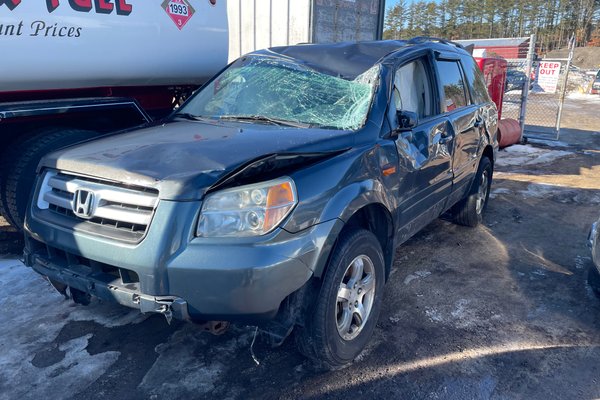
A scrap car is any vehicle that has reached the end of its useful life as transportation and is primarily valued for its materials rather than its function. Several factors determine when a vehicle transitions from repairable to scrap status.
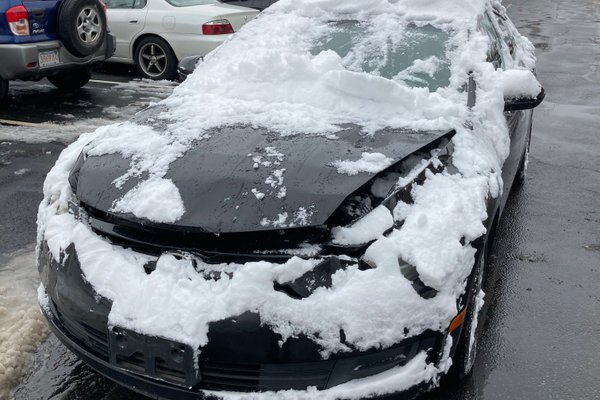
Economic totaling occurs when repair costs exceed the vehicle’s market value. Insurance companies typically declare vehicles total losses when damage exceeds 70-80% of their worth. However, vehicle owners often continue driving damaged cars until repair costs become prohibitive, eventually leading to scrap disposal.
Age and mileage create natural depreciation that eventually renders vehicles uneconomical to maintain. Vehicles over 15 years old with high mileage typically require frequent repairs that exceed their transportation value. Modern cars average 200,000+ miles before major component failures make them scrap candidates.
Mechanical failures involving engines, transmissions, or other major systems often trigger scrap decisions. When repair quotes reach $3,000-$5,000 for vehicles worth less than $8,000, owners typically choose scrapping over expensive repairs that may only extend vehicle life temporarily.
Safety and emissions compliance issues force many vehicles into scrap status. Cars that cannot pass safety inspections or emissions testing become legally undriveable, creating immediate scrap value rather than continued transportation utility.
Common Scrap Car Categories
How Scrap Car Values Are Determined
Scrap car valuation combines multiple factors including metal content, reusable parts, current commodity prices, and processing costs. Understanding these elements helps you evaluate offers and negotiate better prices.
Metal content provides the baseline value for any scrap vehicle. Cars contain approximately 65% steel by weight, plus aluminum in wheels, engine blocks, and body panels. Copper appears in wiring harnesses and electrical components. Current scrap metal prices directly influence these values, with steel prices above $350 per ton creating favorable selling conditions.
Vehicle weight determines total metal value calculations. Compact cars typically weigh 2,500-3,000 pounds, while full-size SUVs and trucks can exceed 5,000 pounds. Heavier vehicles command higher base scrap prices due to increased steel content, though transportation costs may offset some advantages.
Reusable parts add significant value beyond basic scrap metal. Catalytic converters alone can be worth $50-$250+ depending on vehicle type and precious metal content. Batteries, alternators, starters, and air bags all have secondary markets that increase overall vehicle value.
Market demand fluctuates based on economic conditions, construction activity, and global steel demand. During periods of high infrastructure spending or manufacturing growth, scrap prices increase significantly. Conversely, economic slowdowns reduce demand and depress scrap values.
Processing costs affect final offers. Rural locations with limited scrap yard access often receive lower offers due to increased transportation expenses. Urban markets with multiple competing buyers typically provide better prices due to efficient logistics and competitive dynamics.
Scrap Value Breakdown: Average Car (3,000 lbs)
| Material | Weight | Current Price | Value |
|---|---|---|---|
| Steel | 1,950 lbs | $385/ton | $375 |
| Aluminum | 180 lbs | $0.85/lb | $153 |
| Copper | 25 lbs | $3.80/lb | $95 |
| Cat Converter | 1 unit | Variable | $125 |
| Base Total | – | – | $748 |
| Processing Costs | – | – | -$200 |
Net to seller: approximately $548 (varies by location and competition)
The Complete Scrap Car Process
Understanding the scrap car process from initial contact through final recycling helps you navigate the system effectively and ensures fair treatment throughout the transaction.
Initial assessment involves providing vehicle details to potential buyers. Professional services ask specific questions about year, make, model, condition, location, and any damage. Accurate information ensures realistic quotes and prevents pricing disputes during pickup.
Quote generation uses current market data, vehicle specifications, and local factors to calculate offers. Advanced platforms like LightSpeedBid connect you with multiple buyers simultaneously, creating competitive bidding that drives prices higher than single-buyer transactions.
Pickup scheduling coordinates logistics for vehicle removal. Professional services provide free towing using appropriate equipment for your vehicle’s condition. Same-day or next-day pickup is standard for competitive buyers who understand time sensitivity in the scrap market.
On-site inspection allows buyers to verify vehicle condition and confirm quote accuracy. Minor discrepancies rarely affect agreed prices, but major undisclosed damage might require renegotiation. Honest upfront disclosure prevents complications and ensures smooth transactions.
Documentation completion involves title transfer and bill of sale execution. Buyers handle required paperwork and ensure legal ownership transfer. Some states require additional forms that professional services provide and complete during pickup.
Payment processing happens immediately upon completed paperwork. Legitimate buyers pay cash or certified checks on the spot. Never release your title before receiving payment, and ensure payment verification before allowing vehicle removal.
How LightSpeedBid Gets You More Money
Most sellers make one phone call and accept whatever they are offered. That is leaving money on the table. Here is how our competitive bidding process works differently.
When you submit your vehicle details, our system instantly matches it with buyers who specialize in your car’s make, model, and condition. Salvage yards, parts recyclers, rebuild shops, and export buyers all bid against each other. You pick the highest offer. It is the same principle behind auction pricing: competition drives value up.
Materials and Components Value
Vehicles contain numerous valuable materials and components that extend far beyond basic scrap metal. Understanding these elements helps explain why professional buyers can afford to pay competitive prices while maintaining profitable operations.
Steel represents the largest volume material in most vehicles, comprising body panels, frames, engine blocks, and structural components. High-grade automotive steel commands premium prices compared to general scrap iron due to its quality and consistency. Current market conditions favor steel recycling with construction demand driving prices upward.
Aluminum appears throughout modern vehicles in engine blocks, wheels, body panels, and transmission cases. Aluminum recycling requires only 5% of the energy needed for primary production, making it extremely valuable to processors. Aluminum scrap prices consistently exceed steel by significant margins.
Copper wiring harnesses contain substantial copper content that processors extract and resell to electrical manufacturers. Modern vehicles can contain 25-50 pounds of copper in various forms, representing $100-$200 in current market value.
Catalytic converters contain platinum, palladium, and rhodium precious metals that make them extremely valuable. These components can be worth $50-$250+ each depending on vehicle type and precious metal content. Hybrid vehicles typically have higher-value converters due to increased precious metal loading.
Fluids including engine oil, transmission fluid, coolant, and brake fluid all have recycling value when properly processed. Environmental regulations require professional handling of these materials, creating additional value streams for licensed operators.
Electronic components like air bag modules, ECM computers, and navigation systems have secondary markets for refurbishment and resale. These high-tech components often command higher prices than their scrap material value.
High-Value Scrap Components
Environmental Benefits of Scrapping
Vehicle scrapping provides significant environmental benefits that extend far beyond simple waste disposal. The automotive recycling industry operates sophisticated processes that recover valuable materials while preventing environmental contamination.
Steel recycling from scrap cars saves approximately 2,500 pounds of iron ore, 1,400 pounds of coal, and 120 pounds of limestone for every ton of steel produced. This resource conservation reduces mining impacts and energy consumption compared to primary steel production from raw materials.
Aluminum recycling requires 95% less energy than primary production while producing 95% fewer greenhouse gas emissions. The aluminum recovered from a single vehicle can manufacture new automotive components, beverage cans, or construction materials with minimal environmental impact.
Proper fluid handling prevents ground and water contamination from motor oil, coolant, brake fluid, and transmission fluid. Professional recyclers drain, filter, and reprocess these fluids for reuse or proper disposal according to EPA guidelines.
Hazardous material removal includes batteries, air bags, and refrigerants that require specialized handling. Licensed facilities ensure these materials receive appropriate treatment rather than entering landfills where they could cause environmental damage.
Waste reduction keeps vehicles out of landfills where they would occupy space indefinitely while potentially leaching harmful substances into soil and groundwater. The automotive recycling industry achieves a 95% material recovery rate, making it one of the most successful recycling programs globally.
Environmental Impact: One Recycled Car
Getting Paid for Your Scrap Car
Maximizing your scrap car payout requires understanding the market, choosing the right buyer, and timing your sale strategically. Professional services provide competitive pricing while handling all logistics and legal requirements.
Current market conditions favor sellers with steel prices at $385 per ton and strong demand for recycled materials. Spring and fall typically offer the best prices due to increased construction activity and automotive production schedules that drive scrap demand higher.
Competitive bidding ensures maximum value by making multiple buyers compete for your vehicle. Single-buyer transactions often result in below-market offers since sellers have no comparison basis for evaluation. Platforms like LightSpeedBid create auction environments that drive prices upward.
Professional services handle all aspects of the transaction from initial quote through final pickup and payment. Licensed operators provide free towing, complete required paperwork, and ensure legal title transfer while paying competitive market rates.
Documentation requirements vary by state but typically include vehicle title and photo identification. Professional buyers guide you through the process and provide necessary forms to complete legal ownership transfer.
Payment timing should be immediate upon completed paperwork. Legitimate buyers pay cash or certified checks on the spot rather than promising future payment. Never release your vehicle or title before receiving confirmed payment.
Start Your Scrap Car Sale
Converting your scrap car into cash represents an efficient solution for vehicle disposal while contributing to environmental sustainability through professional recycling. The process benefits both sellers and the broader economy through material recovery and reuse.
LightSpeedBid simplifies scrap car sales by connecting you with multiple licensed buyers who compete for your vehicle. This competitive environment ensures market-rate pricing while providing the convenience and safety of professional removal services.
Current market conditions create favorable selling opportunities with strong scrap prices and active demand for recycled materials. Professional buyers can respond quickly to market conditions while handling all logistics from pickup through final processing.
The industry processes millions of vehicles annually through sophisticated recycling operations that recover valuable materials while protecting environmental quality. Your participation supports sustainable manufacturing practices and resource conservation efforts.
Turn Your Scrap Car Into Cash Today
Get competing offers from professional buyers and schedule free removal in minutes.
Get My Free QuoteFrequently Asked Questions
How much is my scrap car worth?
What determines scrap car prices?
Do I need a title to scrap my car?
Is car scrapping environmentally friendly?
How quickly can I get paid for my scrap car?
Ready to Recycle Your Car?
Join millions who choose professional scrap car recycling annually
Get My Free Quote Now
Yes We’ll Buy It!
Fast Cash. Zero Hassle.
Maximum Payout.
Few Clicks Gets It Done!
No signup required • Powered by real-time automotive data