
How Much Is My Junk Car Worth? Complete Pricing Guide [2026]
Junk cars are worth between $100 and $15,000 depending on their condition, year, make, model, and current scrap metal prices. Non-running vehicles typically fetch $200-$800, while cars with working engines can command $500-$5,000 or more.
The fastest way to determine your exact value is to get competitive offers from multiple buyers. LightSpeedBid’s platform connects you with licensed auto recyclers nationwide who bid against each other for your vehicle.
If you have an old, damaged, or non-running vehicle sitting in your driveway, you might wonder exactly how much your junk car is worth. The truth is junk car values vary dramatically based on multiple factors, and many car owners significantly underestimate what their vehicle could fetch in today’s market.
Whether you have a totaled sedan, a truck with a blown engine, or a rusted SUV that hasn’t run in years, understanding your car’s current value is the first step to getting the maximum payout. This comprehensive guide breaks down everything that affects junk car pricing and provides tools to help you calculate what your specific vehicle is worth.
What Determines Your Junk Car’s Worth
Unlike running vehicles where mileage and cosmetic condition drive pricing, junk cars are valued using completely different criteria. Auto recyclers and salvage yards evaluate vehicles based on their potential for parts resale, scrap metal content, and current market demand for specific makes and models.
The year, make, and model of your vehicle have the biggest impact on value. A 2015 Honda Civic with a blown engine is worth significantly more than a 2003 Pontiac Grand Am in similar condition because Honda parts are in much higher demand. Popular vehicles like Toyota Camrys, Honda Accords, and Ford F-150 trucks command premium prices even when heavily damaged.
Vehicle weight directly correlates to scrap value since most junk cars contain 2,000 to 3,000 pounds of recyclable steel and aluminum. Larger vehicles like SUVs and trucks naturally fetch higher base prices than compact cars, with weight alone accounting for $300-$600 in scrap value.
The condition of major components dramatically affects pricing. A vehicle with a running engine, intact transmission, or undamaged catalytic converter is worth substantially more than one being sold purely for scrap metal. Even non-running cars can have valuable individual parts worth hundreds or thousands of dollars.
Junk Car Value Factors (2026)
What drives pricing in today’s market
| Factor | Impact on Value | Example |
|---|---|---|
| Make/Model Demand | +200-500% | Honda vs. Pontiac |
| Vehicle Weight | $150-300/ton | F-150 vs. Civic |
| Running Engine | +$500-2,000 | V6 vs. No Engine |
| Catalytic Converter | +$50-1,000+ | Prius vs. Basic Car |
| Location | ±15-25% | Northeast vs. South |
Junk Car Value Calculator
While the exact value of your specific vehicle requires a professional assessment, you can estimate your car’s worth using current market data and industry benchmarks. The following calculator provides realistic ranges based on your vehicle’s characteristics.
Start with your vehicle’s base scrap value. Most passenger cars weigh between 2,500 and 3,500 pounds. At current scrap steel prices of approximately $385 per ton, the raw metal content is worth $480-$675. However, processing costs, transportation, and dealer margins mean sellers typically receive $200-$400 for pure scrap value.
Add premiums for working components. A functional engine adds $500-$2,000 depending on the make and year. Working transmissions contribute $300-$800. Intact catalytic converters are worth $50-$250 for most vehicles, though hybrid models can command $800-$1,200 or more.
Factor in make and model demand. High-demand vehicles like Toyota, Honda, and Ford models can command 2-5 times base scrap value even when severely damaged. Luxury brands like BMW and Mercedes have expensive parts but smaller markets, creating moderate premiums. Domestic vehicles from the early 2000s typically receive minimal premiums above scrap value.
Quick Value Estimation
Estimated ranges for common vehicle types (2026)
Value by Vehicle Condition
Understanding how different levels of damage affect pricing helps set realistic expectations and identify opportunities to increase your payout before selling. Auto recyclers categorize vehicles into distinct condition classes, each with typical value ranges.
Running Vehicles ($800-$8,000)
Cars that start and drive, even with mechanical issues, represent the highest value category. These vehicles appeal to buyers looking for project cars, winter beaters, or source vehicles for parts swapping. Even if the vehicle needs significant repairs, a running engine and functional drivetrain substantially increase value.
Common issues that don’t severely impact value include body damage, interior wear, electrical problems, and minor mechanical issues like failing air conditioning or worn brakes. As long as the engine runs and the transmission shifts, expect offers in the upper range of your vehicle’s value spectrum.
Needs Major Repairs ($400-$4,000)
Vehicles with significant mechanical problems but intact major components fall into this category. Examples include cars with blown head gaskets, transmission problems, or extensive electrical issues. While these vehicles may not run reliably, they retain value through their usable parts and potential for rebuilds.
The key factor is whether major components like the engine block, transmission case, and electronic modules are salvageable. Even a vehicle with a seized engine may have a valuable transmission, differential, or computer system worth hundreds or thousands of dollars to the right buyer.
Non-Running ($200-$2,500)
Cars that don’t start but have relatively complete and undamaged bodies typically fall into this range. Non-running status significantly reduces value since buyers must assume additional costs for towing, storage, and unknown mechanical problems. However, vehicles with desirable makes, models, or specific parts can still command substantial offers.
Factors that help non-running cars maintain value include recent registration (indicating recent operation), complete engine bays with all major components present, and absence of obvious flood damage or fire damage that would contaminate usable parts.
Scrap Only ($100-$800)
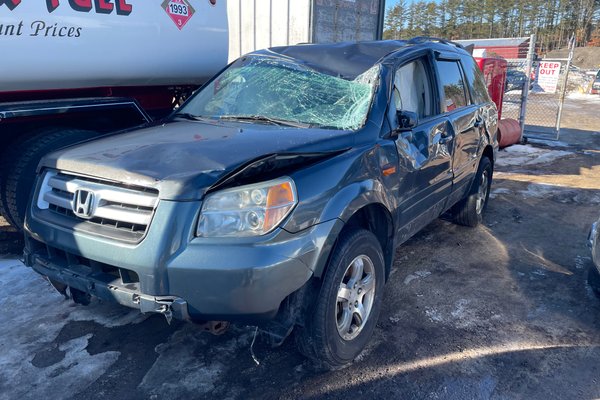
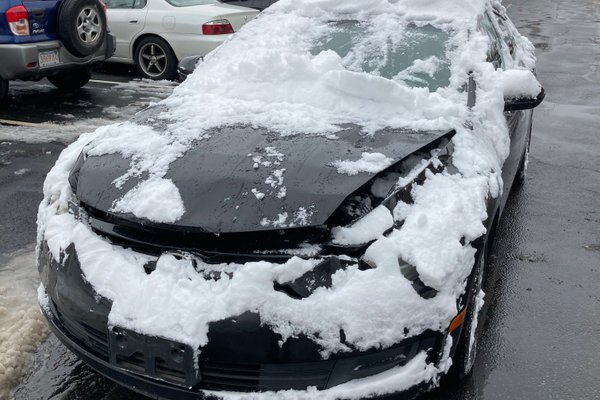
Heavily damaged vehicles with little to no parts value are priced primarily on weight and current scrap metal prices. This category includes flood cars, fire-damaged vehicles, severely rusted frames, or cars missing major components. While these vehicles have minimal value, they still contain hundreds of pounds of recyclable steel and aluminum.
Scrap Value vs. Parts Value
Understanding the difference between scrap value and parts value is crucial for maximizing your payout. Most junk car owners think only about weight-based scrap pricing, but parts value often represents the majority of a vehicle’s worth to auto recyclers.
Scrap value represents the baseline worth of your vehicle based on its recyclable metal content. Current scrap steel prices hover around $385 per ton, meaning the average 3,000-pound car contains roughly $575 worth of raw steel. However, processing costs, transportation, and profit margins typically reduce the amount paid to sellers to $200-$400 for pure scrap deals.
Parts value can be exponentially higher than scrap value for vehicles with working components or high-demand characteristics. A single working engine from a popular vehicle might be worth $800-$2,500 to a rebuilder, while the transmission could fetch $400-$1,200. Even smaller components like electronic modules, airbags, and catalytic converters can have substantial individual value.
The key is finding buyers who recognize and pay for parts value rather than treating every vehicle as scrap metal. Local junkyards often focus on weight-based pricing because they lack the infrastructure to properly assess and market individual components. Specialized auto recyclers and parts dealers typically offer significantly higher prices because they can monetize the vehicle’s component value.
Geographic location strongly influences whether buyers focus on scrap or parts value. Urban areas with multiple competing recyclers tend to offer parts-based pricing, while rural regions with limited competition often default to scrap-only offers. This explains why the same vehicle might receive quotes ranging from $200 to $2,000 depending on the buyer.
Real Example: 2012 Honda Accord (Non-Running)
Scrap vs. parts valuation breakdown
How Location Affects Junk Car Prices
Geographic location significantly impacts junk car values through multiple factors including regional scrap demand, transportation costs, local competition among buyers, and climate-related vehicle characteristics. Understanding these regional differences can help you identify the best selling opportunities.
Northeast markets typically offer 15-25% higher prices than national averages due to salt damage creating higher demand for replacement parts. Vehicles in Massachusetts, Vermont, and New Hampshire face extensive winter road treatment, making rust-free components from other regions particularly valuable. This regional demand premium affects both parts and whole vehicle pricing.
California and Western states have unique emissions requirements that increase the value of catalytic converters and related emissions components. Vehicles sold for California compliance often command premiums even when heavily damaged, as long as emissions equipment remains intact and functional.
Urban versus rural location creates dramatic pricing differences even within the same state. Cities with multiple competing auto recyclers bid against each other for inventory, driving prices up. Rural areas often have limited options, allowing single buyers to offer below-market rates without competition.
Transportation costs also factor into regional pricing. Auto recyclers typically serve customers within 50-100 mile radiuses. Vehicles located far from major recycling centers may receive reduced offers to account for additional towing expenses, while those near multiple facilities benefit from competitive bidding.
Southern markets traditionally offer lower prices due to reduced rust damage and longer vehicle lifespans creating oversupply of certain components. However, hurricane-prone regions like Florida and Texas periodically experience inventory shortages that temporarily boost prices across all vehicle categories.
How to Maximize Your Junk Car Payout
Getting top dollar for your junk car requires strategic preparation and understanding how different buyers evaluate vehicles. Small actions before selling can often increase your payout by hundreds of dollars.
Remove personal items but leave automotive components intact. While you should never leave personal belongings in a vehicle being sold, avoid removing spare tires, floor mats, or original equipment unless you specifically need these items. Buyers prefer complete vehicles and may reduce offers for obviously stripped cars.
Gather maintenance records if available. Documentation showing recent repairs, oil changes, or major component replacements can justify higher offers by proving the vehicle was maintained and that specific parts are in good condition. Even basic records indicating recent operation help establish that the vehicle hasn’t been sitting abandoned for years.
Be honest about condition but emphasize positives. Accurately describe any damage or missing components, but also highlight working systems, recent repairs, or valuable features like all-wheel drive, premium audio systems, or low mileage. Buyers appreciate transparency but respond well to sellers who understand their vehicle’s strong points.
Get multiple quotes and compare terms carefully. Offers from different buyers can vary by 200-500% for identical vehicles depending on their business model, current inventory needs, and geographic location. Always compare final net amounts after accounting for towing fees and other charges.
Time your sale strategically if possible. Scrap metal prices fluctuate throughout the year, and specific makes or models may be in higher demand during certain seasons. Winter months often see increased demand for all-wheel drive vehicles and cold-weather components, while spring brings higher activity in the overall auto recycling market.
How LightSpeedBid Maximizes Your Value
Why competitive bidding delivers higher payouts than single-buyer quotes
Traditional junk car sales involve calling individual yards and accepting whatever they offer. Our network creates competition where buyers bid against each other for your vehicle. Parts specialists, scrap dealers, exporters, and rebuilders all compete, ensuring you capture the maximum value regardless of your car’s condition.
Common Junk Car Valuation Mistakes
Many car owners unknowingly reduce their payouts by making avoidable mistakes during the evaluation and selling process. Understanding these pitfalls helps ensure you receive fair value for your vehicle.
Accepting the first offer without comparison shopping is the most expensive mistake. Junk car values vary dramatically between buyers, with the same vehicle receiving offers ranging from $200 to $2,000 or more depending on the buyer’s business model and current needs. Always get at least three quotes before making a decision.
Overestimating the value of cosmetic improvements leads many sellers to waste money on unnecessary repairs or cleaning. Auto recyclers care about mechanical condition and parts value, not appearance. Money spent on body work, paint, or interior cleaning rarely increases offers enough to justify the expense.
Underestimating the value of popular makes and models causes sellers to accept lowball offers that don’t reflect true market value. Vehicles from Honda, Toyota, and Ford maintain higher value even when heavily damaged because of strong parts demand. Research your specific make and model before setting price expectations.
Failing to understand total transaction costs can make apparently good offers financially unattractive. Some buyers quote high initial prices but deduct substantial fees for towing, processing, or title transfer. Always compare net amounts you’ll actually receive rather than quoted purchase prices.
Rushing the sale during emergencies or financial pressure often results in accepting below-market offers. If possible, take time to research options and gather multiple quotes. The difference between a quick sale and a well-planned sale often amounts to hundreds of dollars.
Find Out What Your Car Is Really Worth
Get competing offers from licensed auto recyclers in your area.
Get My Free QuoteGet Your Free Junk Car Quote Today
Determining your junk car’s exact value requires professional evaluation from licensed auto recyclers who understand current market conditions and parts demand. While online calculators and estimation tools provide useful ranges, real offers from qualified buyers give you the information needed to make informed selling decisions.
LightSpeedBid’s competitive bidding platform eliminates the guesswork by connecting you with multiple licensed auto recyclers who bid against each other for your specific vehicle. This process ensures you receive market-rate offers that reflect your car’s true value rather than settling for single-buyer quotes that may significantly undervalue your vehicle.
Getting started takes less than two minutes. Simply provide your vehicle’s year, make, model, and condition details through our secure platform. Our network of verified buyers will evaluate your information and submit competing offers based on their individual assessment of your vehicle’s worth.
You’ll receive multiple offers within minutes, allowing you to compare terms and choose the best deal. All offers include free towing and same-day pickup in most areas, ensuring a convenient selling experience regardless of your vehicle’s condition or location.
Don’t leave money on the table by accepting the first offer you receive or settling for below-market quotes from single buyers. Take two minutes to see what your junk car is really worth in today’s competitive market.